


Web design in 2026 isn’t about flashy animations or chasing every new visual trend. It’s about performance, personality, AI integration, and measurable conversion. As user expectations evolve and AI reshapes how people interact with websites, designers and developers need to think beyond aesthetics.
If you’re building or redesigning a website this year, here’s what actually matters.
1. AI-Enhanced Experiences (Not Just AI Chatbots)
AI is no longer a gimmick or a floating chat bubble in the corner. Platforms like OpenAI and Google have accelerated user expectations around instant answers, personalization, and predictive content.
What this means for web design:
-
Smart search that predicts user intent
-
Personalized homepage content
-
Dynamic product recommendations
-
AI-generated summaries for long-form content
Users now expect websites to adapt to them. Static brochure sites are quickly becoming outdated.
Design tip: Build flexible content structures (especially in WordPress or headless setups) so AI-driven personalization can be layered in.
2. Performance-First Design (Core Web Vitals Still Matter)
Despite all the design innovation, speed is still king. With Google’s ongoing emphasis on Core Web Vitals, slow websites simply don’t compete.
In 2026, performance means:
-
Lightweight animations (CSS over JS where possible)
-
Optimised image formats (WebP/AVIF)
-
Reduced plugin bloat (particularly in WordPress builds)
-
Smart lazy-loading strategies
If you’re working with page builders like Elementor, performance tuning is no longer optional — it’s part of the design process.
3. Bold Minimalism & Structured Layouts
Minimalism hasn’t disappeared — it’s evolved.
In 2026, we’re seeing:
-
Strong typography-led layouts
-
Large, confident headlines
-
Generous white space
-
Intentional use of motion
Example of the current visual direction:
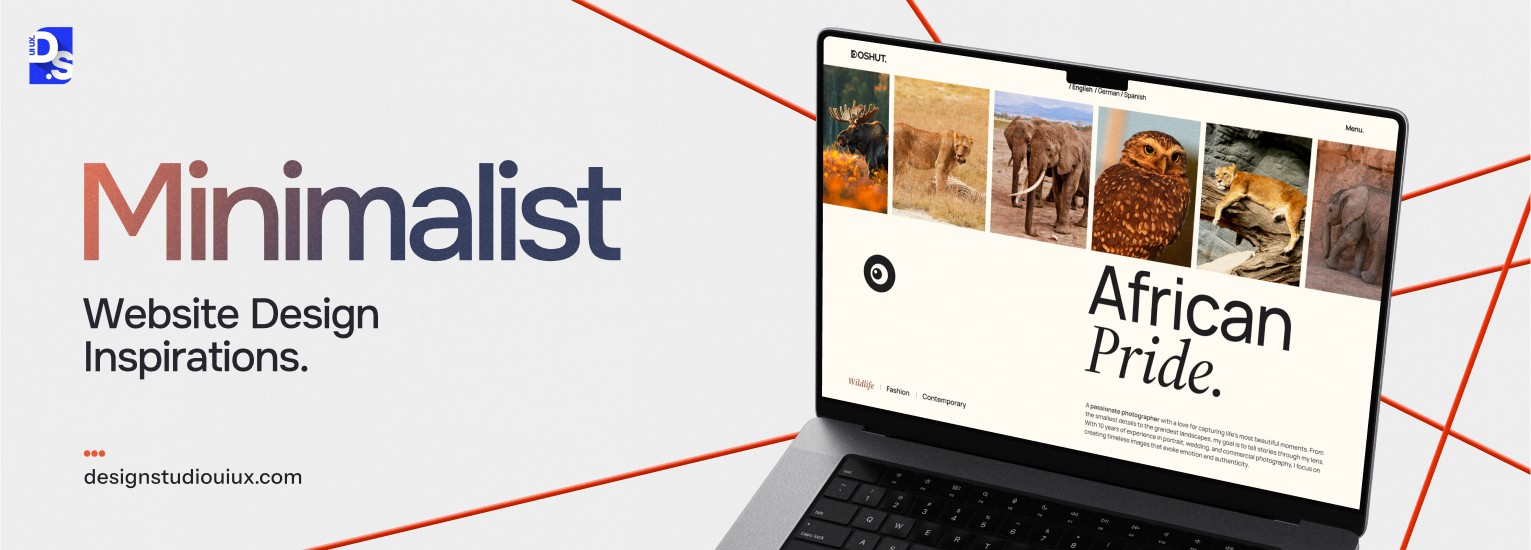

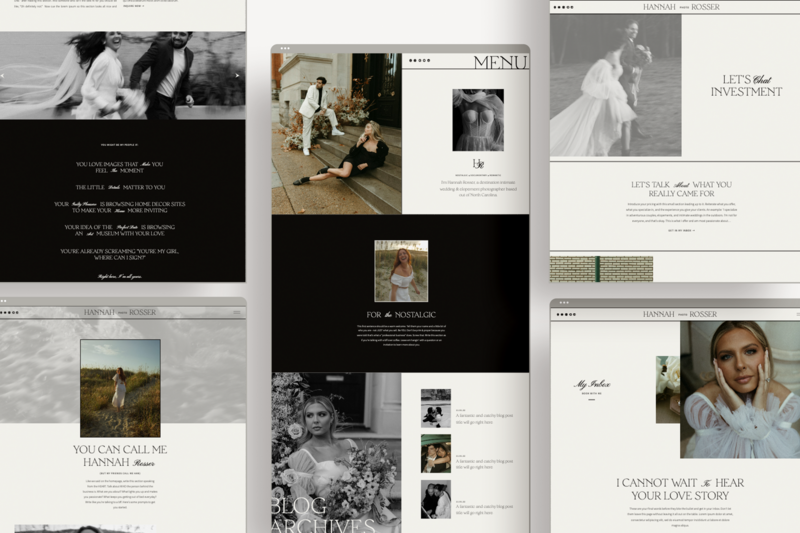
Designs feel more editorial — almost like high-end digital magazines. The focus is clarity and hierarchy rather than decorative UI.
4. Micro-Interactions That Guide (Not Distract)
Micro-interactions are now strategic UX tools.
We’re seeing:
-
Subtle hover states that reinforce clickability
-
Scroll-triggered transitions that guide attention
-
Button animations that provide tactile feedback
The key difference in 2026? Restraint.
Over-animated sites feel outdated. Users prefer smooth, purposeful motion — not parallax overload.
5. Accessibility Is a Baseline, Not a Bonus
Accessibility is no longer optional. Between EU regulations and increasing legal pressure globally, accessible design is simply good business.
In Ireland and across the EU, accessibility compliance is becoming a serious consideration for SMEs — not just public sector bodies.
Modern accessibility includes:
-
Proper semantic HTML
-
Strong color contrast
-
Keyboard navigation
-
Screen reader optimisation
-
Reduced motion options
Design systems now include accessibility tokens from day one.
6. Conversion-Led Design Over “Pretty Design”
A major shift happening right now: design is being judged by performance metrics, not visual appeal alone.
That means:
-
Clear CTAs above the fold
-
Trust signals (reviews, testimonials, certifications)
-
Simplified navigation
-
Reduced cognitive overload
The best-performing sites in 2026 feel obvious. The user never has to guess what to do next.
7. The Rise of Hybrid Builds (Headless & Composable)
Developers are increasingly moving toward:
-
Headless CMS setups
-
API-first architecture
-
Modular content systems
This is especially relevant for WordPress developers who want:
-
Better performance
-
Greater design freedom
-
More scalable content systems
Headless setups paired with frameworks allow businesses to stay competitive while keeping content editing simple.
What This Means for Designers & Developers
If you’re working in web design today, the competitive edge comes from:
-
Thinking strategically, not just visually
-
Designing for performance from day one
-
Understanding AI’s impact on user behaviour
-
Building flexible systems, not rigid pages
The biggest shift in 2026 isn’t visual.
It’s structural.
Websites are becoming smarter, faster, and more intentional — and the designers who understand both UX and technical implementation are the ones leading the industry.